


Uncategorized

How Graphic Design Impacts Conversions in Digital Marketing

How Graphic Design Impacts Conversions in Digital Marketing In digital marketing, driving traffic to a website or campaign is important—but traffic alone does not guarantee success. The real measure of effectiveness lies in conversions, whether that means clicks, sign-ups, leads, downloads, or sales. One of the most powerful factors influencing conversions is graphic design. While often seen as purely aesthetic, graphic design plays a strategic role in shaping user behavior, building trust, and guiding audiences toward action. In today’s highly competitive digital landscape, strong graphic design is no longer optional—it is essential for conversion-focused marketing. First Impressions Shape User Decisions Users form an opinion about a brand within a few seconds of landing on a website, social media post, or advertisement. Poor or outdated visuals can instantly create doubt, while clean, professional design builds credibility. High-quality graphic design: Makes a brand look trustworthy and professional Creates a positive emotional response Encourages users to stay longer and explore When users feel confident about a brand at first glance, they are far more likely to take the next step toward conversion. Visual Hierarchy Directs Attention Graphic design helps structure content in a way that naturally guides users through a page. This is known as visual hierarchy—the arrangement of elements to show what is most important. Effective visual hierarchy uses: Size and scale to emphasize key messages Contrast to highlight CTAs (Call-to-Action buttons) Spacing to reduce clutter and improve focus When users clearly understand where to look and what to do next, friction is reduced and conversions increase. Color Psychology Influences Behavior Colors have a psychological impact on how users perceive a brand and make decisions. Strategic color choices can influence emotions, urgency, and trust. For example: Blue conveys trust and reliability Red creates urgency and excitement Green suggests growth, balance, and positivity Orange and yellow grab attention and encourage action Using the right colors for buttons, highlights, and offers can significantly improve click-through and conversion rates. Typography Improves Readability and Engagement Typography is more than choosing attractive fonts—it affects how easily users consume information. If text is difficult to read, users are more likely to leave without converting. Good typography: Improves readability across devices Establishes a clear content flow Reflects brand personality Well-chosen fonts, proper line spacing, and consistent text styles help users understand the message faster, leading to higher engagement and better conversions. Strong Design Boosts Ad Performance In digital advertising, visuals are often the first thing users notice. Whether it’s a social media ad, display banner, or sponsored post, design plays a crucial role in stopping the scroll. Well-designed ad creatives: Communicate the message instantly Highlight benefits and offers clearly Stand out in crowded feeds Higher-quality visuals lead to better click-through rates (CTR), which directly impacts campaign performance and return on investment. Landing Page Design Drives Action Landing pages are built with one primary goal: conversion. Graphic design helps eliminate distractions and focus user attention on the desired action. Effective landing page design includes: Clear and visually prominent CTAs Supporting visuals that reinforce the message Balanced layouts with sufficient white space When design and messaging work together, users feel guided rather than overwhelmed, making them more likely to convert. Consistent Design Builds Brand Trust Consistency in graphic design across all digital touchpoints—websites, social media, ads, and emails—creates familiarity. Familiarity builds trust, and trust drives conversions. Consistent design ensures: Recognizable brand identity Professional brand presence Seamless user experience Users are more likely to convert when they feel they are interacting with a reliable and recognizable brand. Visual Content Simplifies Complex Messages Digital marketing often involves explaining products, services, or processes. Graphic design helps transform complex information into easily digestible visuals. This includes: Infographics Icons and illustrations Visual storytelling Clear visuals reduce confusion, improve understanding, and help users make quicker decisions—leading to higher conversion rates. Mobile-Friendly Design Is Critical With a large percentage of users accessing content on mobile devices, responsive design is essential. Poor mobile design can break the user experience and kill conversions instantly. Mobile-optimized graphic design ensures: Readable text without zooming Easy-to-tap buttons Fast and smooth user experience A seamless mobile design significantly improves engagement and mobile conversions. Conclusion Graphic design is far more than decoration—it is a strategic conversion tool in digital marketing. From first impressions and ad creatives to landing pages and mobile experiences, every design element influences how users interact with a brand and whether they take action. When graphic design and digital marketing align, businesses can create experiences that not only attract users but also convert them effectively. In a world where attention is limited and competition is high, good design doesn’t just look good—it drives results.

Uncategorized

What Is Google AI Mode and How It Changes SEO

What Is Google AI Mode and How It Changes SEO Google AI Mode represents a fundamental shift in how search works. Instead of simply ranking and displaying web pages, Google is increasingly using artificial intelligence to understand questions, generate answers, and synthesize information directly within search results. This evolution marks a move away from traditional link-based discovery toward an intelligent, conversational, and answer-driven search experience—and it is reshaping SEO as we know it. Understanding Google AI Mode is essential for businesses, marketers, and content creators who want to remain visible in an AI-powered search landscape. What Is Google AI Mode? Google AI Mode refers to Google’s use of advanced generative AI models within its search ecosystem to interpret queries, generate summaries, and provide direct responses. Rather than acting only as an index of web pages, Google now behaves more like an answer engine. In AI Mode, Google: Understands complex and conversational queries   Combines information from multiple sources   Generates contextual, human-like responses   Reduces reliance on exact keyword matching   This experience is designed to help users get faster, more precise answers—often without needing to click on multiple links. How Google AI Mode Changes Search Behavior Traditional search encouraged users to explore several results to find information. Google AI Mode shortens this journey. Users now ask longer, more natural questions and expect complete answers immediately. As a result: Informational searches increasingly end on the search results page Zero-click searches become more common Users rely on AI-generated summaries for decision-making This shift doesn’t eliminate websites—it changes how and why content is surfaced. Websites are no longer just destinations; they are sources that AI systems evaluate, summarize, and reference. From Rankings to Relevance and Understanding In Google AI Mode, SEO is less about ranking for a single keyword and more about being contextually relevant to a topic. AI models analyze meaning, relationships between concepts, and user intent rather than focusing on keyword repetition. This changes SEO in several key ways: Exact-match keywords matter less than semantic relevance Topical depth becomes more important than isolated pages Content must answer real questions clearly and directly Pages that provide shallow or generic information are less likely to be selected by AI systems, even if they are technically optimized. The Rise of Answer-Centric Optimization One of the biggest impacts of Google AI Mode is the shift toward answer-centric content. Google prioritizes content that can be easily interpreted, summarized, and presented as a direct response. Effective content in AI Mode: Answers specific questions explicitly Uses clear headings and logical structure Avoids ambiguity and unnecessary fluff Provides concise yet complete explanations This evolution has led to the growing importance of Answer Engine Optimization (AEO), where content is designed to serve as the best possible answer rather than just a ranking page. Content Quality and Trust Signals Matter More Than Ever Google AI Mode places a strong emphasis on trust, accuracy, and credibility. AI-generated answers depend on reliable sources, making content quality non-negotiable. Key trust signals include: Demonstrated expertise and experience Clear authorship and brand authority Accurate, up-to-date information Consistent topical focus Content that lacks originality, depth, or credibility is less likely to be surfaced in AI-driven responses. This discourages low-effort, mass-produced content and rewards thoughtful, expert-driven material. Structured Content and Technical SEO in AI Mode While content strategy is critical, technical SEO still plays a vital role in Google AI Mode. AI systems rely on structure to interpret and extract information accurately. Best practices include: Clear heading hierarchy (H1–H3) Use of schema markup and structured data Fast-loading, mobile-friendly pages Clean internal linking and content organization Well-structured content helps Google’s AI identify key insights, improving the likelihood of being included in summaries, featured responses, and AI-generated explanations. Impact on Organic Traffic and Visibility Google AI Mode changes how success is measured in SEO. While organic traffic remains important, visibility within AI-generated answers is becoming equally valuable. Brands may see: Fewer clicks for basic informational queries   Higher-quality traffic for deeper, intent-driven searches   Increased brand exposure without direct visits   This shift requires marketers to think beyond traffic numbers and focus on authority, recognition, and long-term trust. How SEO Strategies Must Adapt To succeed in Google AI Mode, SEO strategies must evolve from tactical optimization to strategic content development. Winning in AI-driven search means aligning with how AI understands and evaluates information. Future-ready SEO focuses on: Building topical authority across content clusters   Creating content that educates, explains, and clarifies   Optimizing for intent, not just keywords   Combining AI tools with human expertise   SEO is no longer about chasing algorithms—it’s about helping AI systems understand why your content deserves to be trusted. The Future of SEO in Google AI Mode Google AI Mode is not the end of SEO—it’s the next phase. Search is becoming more intelligent, more conversational, and more selective about the content it surfaces. Websites that prioritize value, clarity, and credibility will continue to thrive. Those that rely on outdated tactics or superficial optimization will struggle to remain visible. In the age of Google AI Mode, SEO is no longer just about being found. It’s about being chosen—by users and by intelligent systems designed to deliver the best possible answers.

Uncategorized

The Role of Human Expertise in Digital Marketing Success

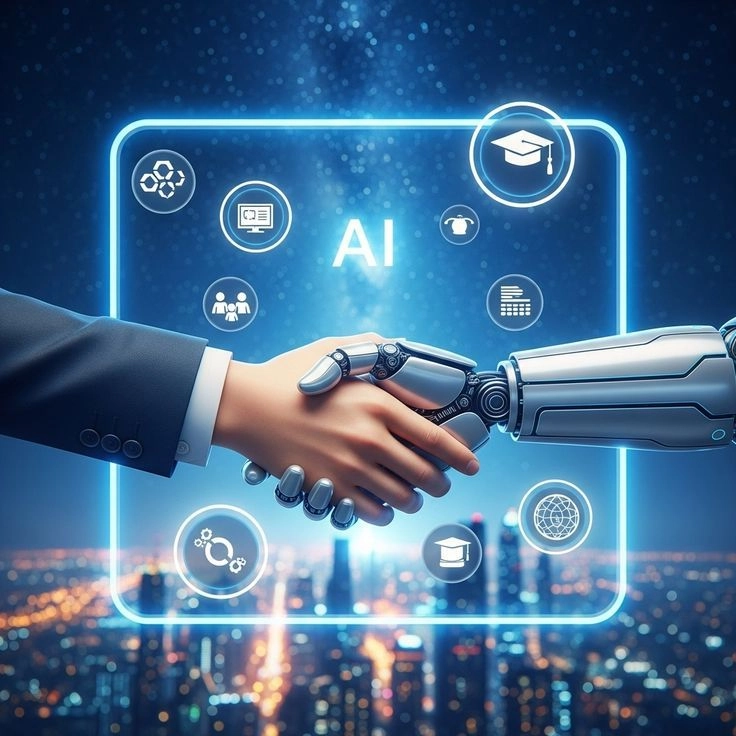
The Role of Human Expertise in Digital Marketing Success In today’s fast-evolving digital landscape, automation and artificial intelligence (AI) have become integral parts of marketing strategies. From data analysis and ad optimization to content suggestions and chatbots, technology has undoubtedly improved efficiency. However, despite these advancements, human expertise remains the driving force behind true digital marketing success. Tools can assist, automate, and optimize—but they cannot replace human thinking, creativity, emotional intelligence, and strategic decision-making. Digital Marketing Is More Than Tools and Technology Digital marketing is often misunderstood as a tool-driven field. While platforms, software, and AI systems play an important role, they are only as effective as the people using them. Human marketers design strategies, interpret insights, set goals, and make judgment calls that machines simply cannot replicate. Marketing is fundamentally about understanding people—their needs, emotions, motivations, and behavior. Human expertise brings context, empathy, and intuition into campaigns, ensuring that marketing efforts resonate with real audiences rather than just meeting algorithmic requirements. Strategic Thinking and Decision-Making One of the most critical contributions of human expertise is strategic planning. Digital marketing success depends on aligning business goals with the right channels, messaging, and tactics. While AI can analyze historical data and predict trends, it cannot fully understand brand vision, market positioning, or long-term business objectives. Human marketers decide: Which platforms align with brand identity How to allocate budgets effectively When to pivot strategies based on market changes How to balance short-term results with long-term growth These decisions require experience, judgment, and industry understanding—qualities that go beyond automation. Creativity and Brand Storytelling Creativity is at the heart of effective digital marketing, and it is an area where human expertise is irreplaceable. Successful campaigns rely on compelling storytelling, unique brand voices, and emotionally engaging visuals. While AI can assist with ideas or drafts, it lacks originality, cultural sensitivity, and emotional depth. Human marketers bring: Brand personality and tone consistency Creative campaign concepts Emotional storytelling that builds trust Visual and messaging alignment across platforms Audiences connect with brands that feel authentic and human—not generic or overly automated. Understanding Audience Emotions and Behavior Data can show what users are doing, but humans understand why they are doing it. Human expertise helps interpret analytics with empathy and real-world context. Marketers can recognize emotional triggers, pain points, and cultural nuances that data alone cannot explain. For example, a sudden drop in engagement may be due to external factors such as market trends, economic shifts, or changes in consumer sentiment. Human insight allows marketers to adapt messaging and strategy accordingly, ensuring relevance and sensitivity. SEO, Content Quality, and User Experience Search engine optimization (SEO) has evolved significantly. Modern SEO focuses on user intent, content quality, and experience rather than just keywords. While AI tools can assist with keyword research and optimization suggestions, human expertise ensures that content is valuable, accurate, and engaging. Human marketers: Create meaningful, original content Structure information for readability and clarity Align content with user intent Balance SEO best practices with natural language Search engines increasingly reward content that demonstrates experience, expertise, authority, and trust—qualities best delivered by humans. Ethical Judgment and Brand Responsibility Another crucial role of human expertise lies in ethical decision-making. Digital marketing involves handling user data, targeting audiences, and influencing behavior. Human marketers are responsible for ensuring transparency, fairness, and compliance with privacy regulations. AI systems follow instructions, but humans decide: How data is collected and used What messaging is appropriate Where ethical boundaries should be set Maintaining brand reputation and consumer trust requires human accountability and values. Relationship Building and Communication Digital marketing is not just about clicks and conversions; it’s about building long-term relationships. Human expertise plays a key role in client communication, collaboration, and customer engagement. Understanding feedback, managing expectations, and adapting strategies based on real conversations cannot be automated. Trust, credibility, and relationships are built through human interaction—something technology can support but never replace. The Ideal Balance: Humans + Technology The future of digital marketing is not a choice between humans and technology—it is a collaboration. AI and automation enhance speed, efficiency, and data processing, while human expertise provides direction, creativity, and meaning. The most successful digital marketing strategies combine: AI-powered tools for efficiency Human strategy for direction Human creativity for engagement Human judgment for ethical and emotional balance Conclusion Human expertise remains the foundation of digital marketing success. While tools and automation continue to evolve, they are enablers—not decision-makers. Strategy, creativity, empathy, and ethical responsibility are human strengths that drive meaningful connections and sustainable growth. In an increasingly automated world, brands that invest in skilled digital marketers will stand out, build trust, and achieve long-term success. Digital marketing may use technology, but it succeeds because of people.

Scroll to Top